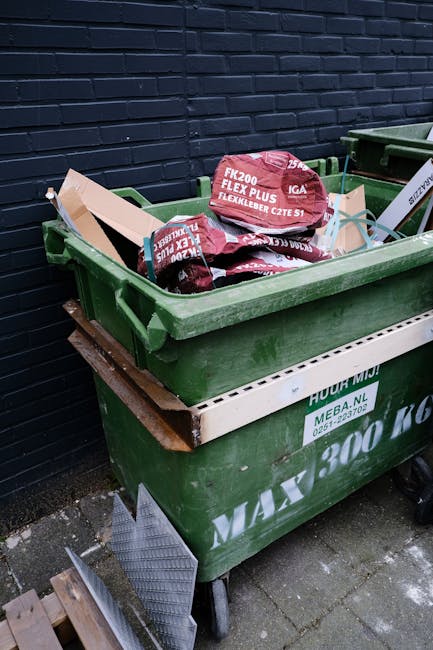
Hackbridge SM6 guide to household rubbish collection
If you live in Hackbridge and you are trying to get rid of an awkward pile of household rubbish, you are probably after something simple: a clear way to clear the clutter without turning your week upside down. This Hackbridge SM6 guide to household rubbish collection walks you through the practical side of it - what counts as household waste, how collection and removal usually work, what to watch out for, and how to choose the right approach for your home. Whether it is a one-off clear-out after a busy weekend or a more serious tidy-up after months of stuff building up, the aim here is to make the process feel manageable. Honestly, it should not feel like a mini construction project just to throw things away.
Hackbridge homes come in all shapes and sizes: flats with tight stairwells, family houses with sheds and lofts, garden areas that quietly collect old pots and broken furniture, and the odd garage that becomes a graveyard for "useful one day" items. The right rubbish collection approach depends on the volume, the type of waste, and how quickly you need it gone. Below, you will find a grounded, local-friendly guide that helps you decide what to do next.
Why Hackbridge SM6 guide to household rubbish collection matters
Household rubbish collection sounds straightforward until you are standing in a hallway with a broken chair, a torn mattress, some bags of mixed waste, and a fridge that has finally given up. In real life, disposal is rarely just "put it out and forget it". Different items need different handling, and not everything can go in a normal bin or a standard collection.
In Hackbridge SM6, the practical challenge is often space. Many homes do not have huge drives or spare outdoor storage, so waste can pile up fast after decorating, spring cleaning, or moving house. When that happens, the big question is not just where the rubbish goes, but how to remove it safely, legally, and without making a mess of your property. That is where a good household rubbish collection plan earns its keep.
It also matters because waste left too long can become a nuisance. Bags split. Odours build. Rain gets in. Pests notice. And to be fair, no one wants a hallway that smells faintly of damp cardboard and old takeaway containers. A little structure goes a long way here.
For many residents, the best route is a balanced one: reuse what can be reused, separate recyclable materials, and use a trusted removal service for bulky or awkward items. If you are also dealing with furniture, appliances, or general house contents, it can help to look at broader services such as house clearance or home clearance, especially when the job is bigger than a simple bag collection.
How Hackbridge SM6 guide to household rubbish collection works in practice
Household rubbish collection usually starts with identifying what you have. That sounds obvious, but it is the step people skip most often. Mixed waste is the quickest way to complicate things. If you separate items first, the rest of the process becomes much easier.
In practice, household rubbish can include general black-bag waste, broken household items, old small appliances, worn textiles, loose garden waste, boxes, packaging, and bulky items that are too awkward for ordinary collection. Some items are recyclable, some are reusable, and some need special handling. That split matters because disposal routes vary.
A typical collection process looks something like this:
- You sort the waste into rough categories.
- You identify anything hazardous, electrical, sharp, or especially bulky.
- You decide whether the waste can be taken through normal household collection or whether it needs a dedicated removal service.
- You book a collection time that suits your schedule.
- The waste is removed, loaded, and taken for appropriate processing, reuse, recycling, or disposal.
That is the clean version. Real homes are messier. You might have a half-finished declutter in the front room, or a loft full of old boxes you have not seen in years. If the waste includes furniture or larger household items, services like furniture disposal or mattress and sofa disposal can be more practical than trying to wrestle everything to the kerb yourself.
For electrical items, the handling needs a bit more care. Fridges, freezers, and other appliances are best kept separate, and a specialist route such as fridge and appliance removal helps avoid the usual hassle of moving heavy items down stairs while pretending your back is fine. It rarely is, after all.
Key benefits and practical advantages
There are three main reasons household rubbish collection becomes worth doing properly: speed, convenience, and peace of mind. Those are the obvious ones. The less obvious benefits are where the real value sits.
- More usable space: Once the clutter goes, rooms feel larger, calmer, and easier to clean.
- Less stress: No more looking at a pile of rubbish and thinking, "I'll deal with that tomorrow."
- Safer access: Clear floors, hallways, and stairs reduce trip risks.
- Better sorting: Recyclable, reusable, and non-recyclable waste can be separated more sensibly.
- Fewer vehicles and trips: A proper collection can save you multiple journeys to a disposal site.
There is also the hidden benefit of momentum. Once one pile disappears, the rest of the job suddenly feels easier. A spare room starts looking like a room again. The garage stops being a mystery cave. You get the idea.
For busy households, that convenience matters more than people expect. If you are juggling work, school runs, and a Saturday that vanishes in a blur, a scheduled collection can be the difference between finishing the job and leaving it half-done for another month.
On the sustainability side, choosing a collection route that supports recycling and reuse can make a real difference. If that matters to you - and it should, frankly - it is worth reading about recycling and sustainability before you book anything. It helps set realistic expectations about what happens after the van drives away.
Who this is for and when it makes sense
This guide is for anyone in Hackbridge SM6 who needs household rubbish collected in a way that is practical, safe, and not wildly inconvenient. That includes:
- homeowners doing a seasonal declutter
- tenants preparing for the end of a lease
- families clearing rooms after a house move
- landlords dealing with left-behind household waste
- flat residents with limited storage and no easy way to move bulky items
- people clearing garages, lofts, or sheds that have quietly filled up over time
It also makes sense when the waste is too much for normal bins, too bulky for a quick DIY trip, or too mixed to be handled neatly without sorting. A lot of people only realise this once they start lifting bags and find out the "simple" job is actually four jobs stitched together. Funny how that happens.
If your rubbish is mainly from a single room or a specific area, you may benefit from a targeted clearance service instead of a general waste pickup. For example, a cluttered loft is often better handled through loft clearance, while a busy garage with broken tools, old packaging, and odds and ends may suit garage clearance.
And if the job is really a full-property reset rather than just a bag collection, waste removal is often the more flexible starting point.
Step-by-step guidance
If you want the process to go smoothly, do it in the right order. Not glamorous, but it works.
1. Walk through the property and identify everything
Take a slow look at the waste from room to room. Separate general rubbish, recyclables, textiles, furniture, appliances, and anything that looks hazardous. A quick visual sweep is fine for a rough idea, but a proper list helps you avoid surprises on collection day.
2. Group similar items together
Put cardboard with cardboard. Soft furnishings with soft furnishings. Appliances in one place. Mixed waste in another. If you have confidential papers or personal documents, do not just toss them into the general pile; confidential handling is better dealt with separately through confidential shredding.
3. Check for restricted or special items
Some items need special handling, especially chemicals, paint, batteries, sharp objects, or anything that could leak or pose a risk. This is where a cautious approach saves time. If you are unsure, do not guess.
4. Decide how much help you need
If the waste is light and neatly bagged, a small-scale collection may be enough. If there are stairs, heavy pieces, or a lot of mixed material, getting the right service matters more than trying to do it all yourself.
5. Choose a booking method and timing
Pick a time that gives you a little breathing room. Early morning collections are often easier if you want the rest of the day back. Midweek slots can also be less disruptive, especially in homes with school-age children or shared access.
6. Prepare the access route
Clear hallways, open gates if relevant, and make sure the waste is easy to reach. This simple bit saves time and reduces the risk of knocks, scuffs, and rushed lifting.
7. Confirm what happens to the waste
It is sensible to understand whether the collection route prioritises reuse, recycling, or disposal. For pricing clarity, you can also look at pricing and quotes before booking so you know what affects the final cost.
Expert tips for better results
In our experience, the smoothest collections come from people who do a little prep first. Nothing extreme. Just enough to make the job easy on both sides.
- Sort before you book: A rough separation of waste types often makes the collection cheaper and quicker.
- Keep sharp items contained: Broken glass, nails, and metal edges should be wrapped or boxed safely.
- Don't overload bags: Heavy black bags split at exactly the wrong moment. Every time.
- Keep appliances accessible: Fridges and washing machines are awkward enough without blocked doorways.
- Use the right service for the job: A sofa, a mattress, and a pile of mixed rubbish are not all the same problem.
Another tip that helps more than people expect: take photos before collection if the waste pile is large or if access is tight. It gives everyone a clearer idea of what is involved. A quick picture can save a long explanation.
One more thing. If you are clearing a property because of a move, a refurbishment, or a tenancy change, do not leave the rubbish until the final afternoon. That is how people end up surrounded by bin bags, one dead lamp, and a vague sense of regret.
If you want a service that covers more than just loose rubbish, you may also find pages like home clearance or house clearance useful for planning a fuller tidy-up.
Common mistakes to avoid
Most problems come from rushing or assuming all waste can be handled the same way. It is rarely that simple.
- Mixing everything together: This slows sorting and can limit recycling options.
- Leaving hazardous items hidden in piles: Paint, solvents, batteries, and sharp objects need attention.
- Forgetting bulky items: A sofa or mattress can change the whole collection plan.
- Not measuring access: Narrow stairwells, low door frames, and tight paths matter more than people think.
- Assuming all "rubbish" is the same: Electricals, furniture, green waste, and mixed waste are handled differently.
One very common slip is underestimating the volume. A small pile in the corner somehow becomes three bags, a broken table, and an old kitchen chair once you start moving things. Strange, but familiar.
Another mistake is ignoring the condition of the items. If something is damp, mouldy, sharp, or infested, it needs more careful handling than a clean pile of packaging. That is not being fussy. It is just sensible.
When in doubt, ask a provider to confirm the acceptable waste types in advance. That one phone call can save a lot of back-and-forth later.
Tools, resources and recommendations
You do not need a van full of gear to manage household rubbish collection well. A few simple tools are enough.
- Heavy-duty bags: Useful for general rubbish and loose items.
- Strong boxes: Helpful for books, paperwork, ornaments, and smaller mixed items.
- Gloves: Basic protection for sorting and lifting.
- Tape and markers: Ideal for labelling boxes or separating waste types.
- Old sheets or tarps: Good for protecting floors when moving dusty or dirty items.
For bigger jobs, it helps to think in categories. Furniture can often be handled separately through furniture clearance. Garden waste belongs with garden clearance rather than general household rubbish if you want a cleaner sort. And if you have old items from a refurbishment or small DIY project, builders waste clearance may be a better fit than a generic collection.
Practical recommendation? Make one decision per pile. Do not stand in a room and try to solve the entire house at once. Start with one corner, one cupboard, one floor. That is often how a difficult job turns into a workable one.
If trust and process matter to you, it can also help to review pages like insurance and safety and health and safety policy before booking, especially if the property is awkward, busy, or full of fragile access points.
Law, compliance, standards, or best practice
Household rubbish collection is not just about convenience; it is also about handling waste responsibly. In the UK, households and waste carriers are expected to treat waste carefully, avoid fly-tipping, and make sure waste goes to an appropriate destination. If you are using a professional removal service, it is wise to check that they operate in a legitimate, transparent way.
From a homeowner's point of view, the main best-practice points are straightforward:
- do not leave waste in a way that blocks pathways or creates a hazard
- keep hazardous items separate from normal rubbish
- use suitable handling for electricals, sharp materials, and heavy items
- avoid passing waste to anyone who cannot clearly explain what happens next
That last point matters more than it sounds. If someone removes your rubbish and you have no idea where it ends up, that is not ideal. It can become your problem if the waste is handled badly. Best practice is simple: choose a service that is clear about handling, safety, and disposal standards.
For documents and personal information, confidential shredding is often the safer choice than chucking papers into an ordinary pile. For paint, chemicals, and similarly awkward items, use dedicated hazardous waste handling rather than hoping for the best. Hope is not a disposal method.
If payment confidence matters to you, take a look at payment and security so you know how transactions are handled and what to expect before booking.
Options, methods, or comparison table
There are a few common ways Hackbridge residents deal with household rubbish. The right option depends on volume, access, item type, and how quickly you need the waste gone.
| Method | Best for | Strengths | Limitations |
|---|---|---|---|
| Regular household bin collection | Small, routine rubbish | Simple, familiar, usually low effort | Not suitable for bulky or large-volume waste |
| DIY trips to disposal facilities | People with time, transport, and a manageable amount of waste | Flexible, can be cost-conscious | Requires lifting, loading, travel, and sorting |
| Skip-style solution | Ongoing renovation or larger clear-outs | Good for volume, stays on site for a period | Needs space and careful filling; check what can go in a skip before using one |
| Dedicated waste removal service | Bulky, mixed, or time-sensitive household rubbish | Convenient, fast, less physical effort for you | May need a quote based on load size and access |
If you are unsure where your job fits, start with a quote and description of the waste. A short list, a couple of photos, and honest detail about access will usually point you in the right direction. If the waste is mixed and awkward, a dedicated collection is often the cleanest answer.
For people comparing routes, the page what can go in a skip is useful for understanding common restrictions, even if you do not plan to use a skip directly.
Case study or real-world example
A typical Hackbridge scenario goes like this. A family has just finished a room refresh. They have an old two-seater sofa, a cracked bedside table, three black bags of mixed rubbish, some flattened boxes, a small broken appliance, and a heap of random bits from the shed that were "only temporary" for about nine months. The hallway is narrow, the front step is awkward, and everyone is tired by Friday evening.
Instead of trying to force everything into one bin day or making several car trips, they split the waste into categories. Furniture goes together. Cardboard is separated. The small appliance is kept aside for specialist handling. The mixed rubbish is bagged securely. They also clear a route from the front room to the door so the collection is quick and tidy.
The difference is noticeable almost immediately. The room looks larger, the floor is visible again, and that slightly stale, cluttered smell that builds up in closed spaces starts to lift. Not dramatic, just... better. Calmer. And that counts.
That kind of job is exactly where a service that handles household clear-outs, furniture, and appliances can save a lot of hassle. In a situation like this, the person usually benefits from combining general waste removal with more specific support such as furniture disposal and fridge and appliance removal rather than trying to improvise.
The biggest lesson? Start earlier than you think you need to. By the time you are staring at the pile, the day is already slipping away.
Practical checklist
Use this before arranging household rubbish collection in Hackbridge SM6.
- Identify all items that need removing.
- Separate rubbish, recycling, furniture, textiles, and appliances.
- Set aside hazardous or sharp items safely.
- Remove personal documents for shredding if needed.
- Measure access points, stairs, and narrow hallways.
- Take photos of larger waste piles if helpful.
- Check whether you need general waste removal or a specialist clearance.
- Review pricing and quote details before booking.
- Clear a path for easy loading.
- Confirm what will be recycled, reused, or disposed of.
Expert summary: The easiest household rubbish collection jobs are the ones where the waste is sorted, the access is clear, and the right service is chosen from the start. A bit of preparation saves time, lowers stress, and usually makes the whole experience feel far more straightforward.
Get a free quote today and see how much you can save.
Conclusion
A good Hackbridge SM6 guide to household rubbish collection is really about making the everyday easier. You do not need a perfect system. You just need a sensible one. Sort the waste. Separate the awkward items. Choose the right disposal route. And do not leave the whole job until the last possible minute, because that is how the stress creeps in.
For some homes, a simple collection is enough. For others, the job is bigger and needs help with furniture, appliances, or whole-room clear-outs. Either way, the best result comes from treating the waste as a practical project rather than a mystery to be solved in one heroic afternoon. That shift alone can make things feel much lighter.
If you are ready to clear the clutter and get your space back, start with the most obvious pile and work from there. One room at a time. One bag at a time. It really does add up.
Frequently Asked Questions
What counts as household rubbish collection in Hackbridge SM6?
It usually means removing general domestic waste, bagged rubbish, bulky household items, old furniture, broken appliances, and mixed clutter from homes, flats, or gardens. The exact scope depends on the type of service you choose.
Can I put furniture in a household rubbish collection?
Often yes, but furniture is usually better handled through a dedicated furniture or house clearance option. Sofas, wardrobes, and similar items can be awkward, heavy, or too large for a basic rubbish pickup.
What should I do with old mattresses and sofas?
These are best kept separate and dealt with through a specialist disposal route. That makes loading easier and usually avoids confusion on the day.
Are fridges and other appliances treated differently?
Yes. Appliances can involve weight, wiring, and sometimes refrigerant-related handling, so they are usually collected separately from ordinary household rubbish.
How do I prepare for a household rubbish collection?
Sort waste into categories, keep hazardous items separate, clear a path to the waste, and make sure the collection team can access the items without delays.
Can I mix garden waste with general household rubbish?
You can sometimes have mixed loads collected, but separating garden waste usually helps with recycling and makes the job cleaner overall.
What if I have confidential papers to dispose of?
Use confidential shredding rather than placing them in general waste. It is a simple way to protect personal information and keep paperwork out of the wrong hands.
Is household rubbish collection the same as waste removal?
Household rubbish collection is a more specific part of waste removal. Waste removal is broader and may include furniture, appliances, garden waste, and mixed items from across the property.
How much sorting should I do before booking?
As much as you reasonably can. Even basic sorting into rubbish, recycling, furniture, and special items makes the collection faster and easier to manage.
What affects the price of a rubbish collection?
Volume, item type, access, labour needed, and whether any specialist handling is involved can all affect the price. It is always sensible to ask for a clear quote.
Can household rubbish collection help after a move?
Absolutely. Moves create a strange mix of packaging, broken bits, old furniture, and leftover items that never made it into the boxes. A collection service can take a lot of pressure off at a busy time.
What is the best option for a large home clear-out?
For larger jobs, a full house clearance or broader home clearance may be more efficient than trying to handle everything as separate rubbish piles.
When the clutter starts shrinking, the whole house feels different - lighter, tidier, easier to live in. And that is the bit people remember.